Posted in Features, News on Oct 07, 2026.

From a horse-drawn carriage to Amapiano, traditional cuisine to energetic dance, the Kaizer Chiefs Village came alive on Friday, 2 October, as the Club celebrated the cultures, traditions and people that make up the Amakhosi family. For a day, the football took a back seat.
The competitive spirit, however, remained firmly in place as colleagues from across the different departments, together with members of the senior men’s and women’s teams, gathered in the academy courtyard for a Heritage Day celebration that was as much about learning as it was about having fun.
The idea was simple: taking people out of their comfort zones and placing them in groups representing cultures other than their own.
The purpose was to encourage colleagues to learn about traditions they may not have grown up with, to experience different perspectives and, ultimately, to understand one another a little better.
What followed was a colourful journey through the rich cultural tapestry represented within the Amakhosi family, with groups representing Zulu, Xhosa, Swati, Tsonga, Venda, Pedi, Tswana, Sotho, Indian, Cape Coloured and Portuguese cultures.
And they were not simply asked to talk about their adopted cultures but had to bring them to life.
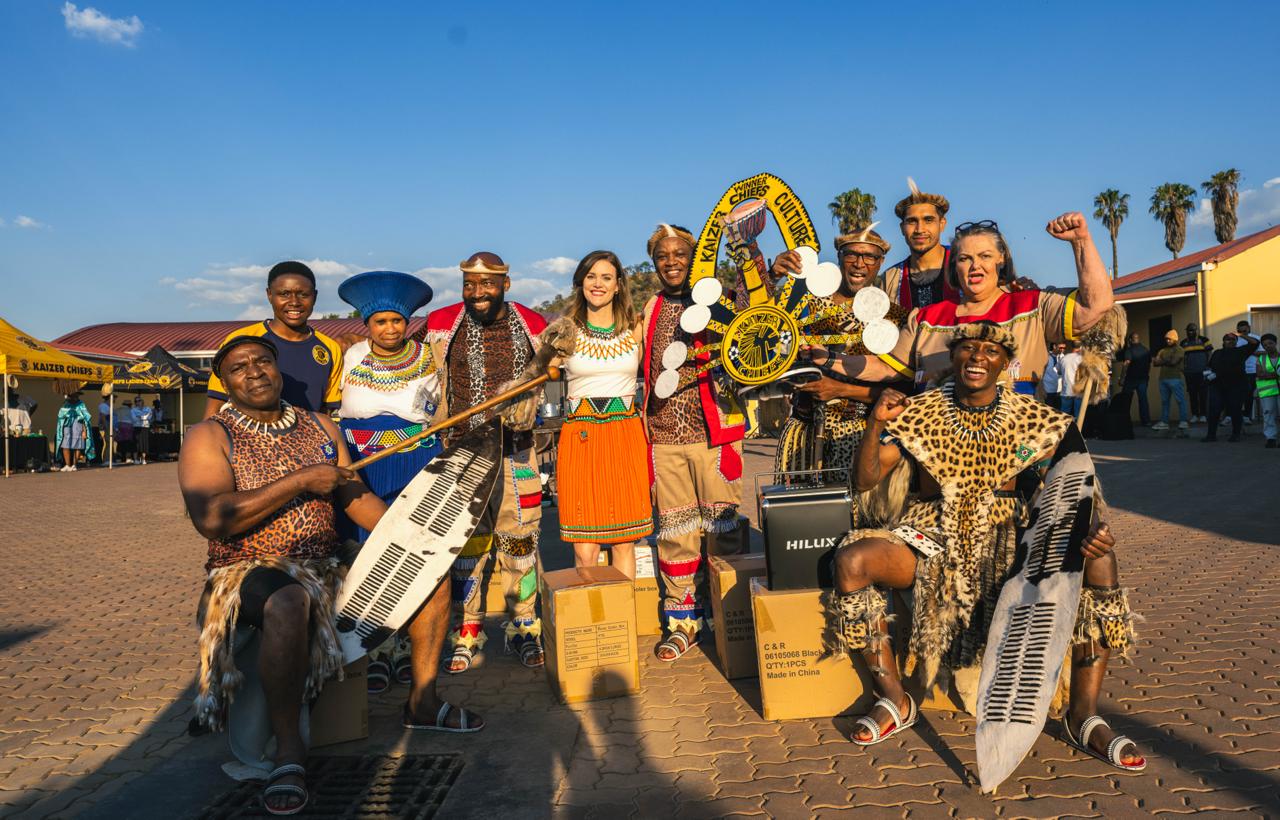
The courtyard was transformed as each group decorated its designated stand, donned traditional attire, prepared food and selected music. There was also a cultural quiz to test the knowledge gained during the exercise, followed by dance performances and food presentations that gave each group an opportunity to impress the judges.
Watching closely was a judging panel led by Kaizer Chiefs Chairman, Dr Kaizer Motaung, and Group Chief Executive Officer, Bheki Shongwe, alongside Human Resources representative Sheila Moodley, Khathochelo Mbanda from Toyota, Prince Kutama from Vodacom, Nonjabulo Nkosi from Carling and Khanyi Zulu from Brima Logistics.
The competition brought out plenty of creativity.
The Sotho group made perhaps the grandest entrance of the day, arriving in a horse-drawn carriage and immediately making their presence felt. The Cape Coloured group brought colour, character and flair to its presentation, while the Indian group showed that heritage can also have a contemporary beat, incorporating Amapiano into its musical selection.
Then there was the winning performance.
The Zulu group chose the theme of a Zulu love letter, using storytelling, music and performance to present a creative interpretation of their culture. Their concept resonated with the judges and ultimately earned them the day’s top prize.
The Sotho group finished third, while the Indian group claimed second place, with both groups receiving goodie bags for their efforts.
For the victorious Zulu group, the reward went beyond the usual prize. They will enjoy lunch with the Chairman and CEO as part of their winning package.
As the afternoon unfolded, the competition increasingly became secondary to the celebration.
The Tsonga group provided the final spark, closing the formal presentations with an energetic dance performance that refused to stay confined to their stand. The music drew colleagues into the celebration, and before long, what had been a performance by one group became a dance floor for everyone.
The boundaries between groups disappeared, and the courtyard came alive with music, laughter and movement. Traditions that may have been unfamiliar at the beginning of the day became something to experience and celebrate together.
The day was about stepping into someone else’s world for a day and discovering that, despite the differences in language, tradition and background, there is plenty that brings people together.